Duke is 75 pounds of black lab and he sleeps like a starfish: legs out, belly up, claiming every inch of whatever surface he lands on. Penny is 55 pounds, eleven years old, a rescue with hip dysplasia, and she sleeps curled tight to keep weight off her bad hip. Two labs, two completely different bedding problems, which is why I treat labrador crate pads and floor beds as separate purchases instead of buying one "large dog bed" that claims to do everything.
Related: Dog Crate Sizing for Labrador Retrievers
I spent ten years as a trainer before I started writing about gear full time, most of it with field labs and obedience dogs. The kennels I worked in destroyed bedding faster than any family home, and that taught me the rule I still use: the label is marketing, the tape measure is fact. So this comparison sticks to what these four products actually are, what they are sized for, and where each one fails.
For most lab owners, the pick here is the 36-inch washable crate pad, because 36 inches matches the crate size a lab actually uses and a washable mat survives the two things that kill cheap bedding, accidents and the washing machine. The extra-large waterproof outdoor bed is the better pick if your lab sleeps on the floor or in the truck rather than in a crate. The air purifier is not a bed at all, and I will explain why it belongs in this conversation anyway.
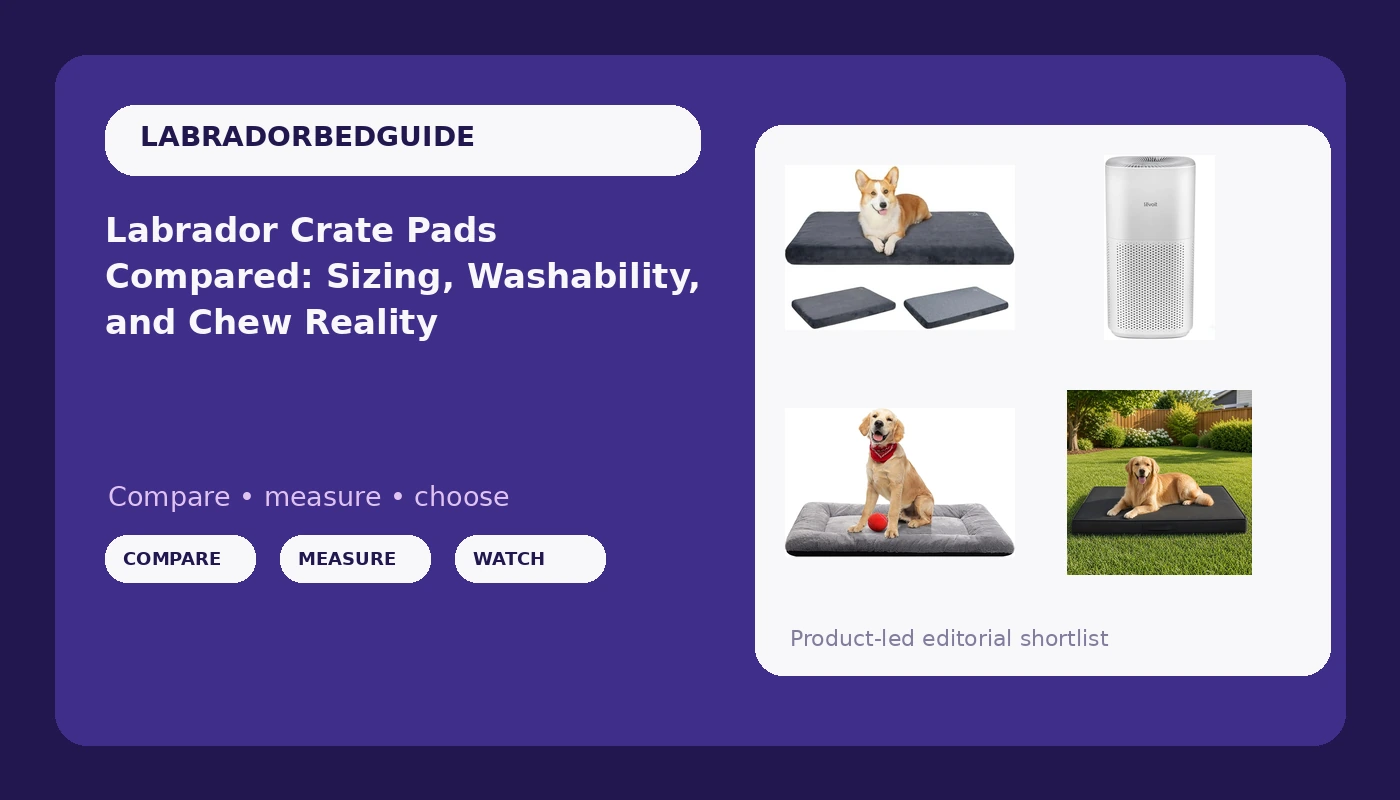
EMPSIGN Dog Bed Mat Crate Pad Mattress, Ultra Soft Pet Kennel, Grey, M
Soft mat surface, grey hides dirt, lies flat in a crate or on a hard floor
Listed as size M, and "ultra soft" is the wrong spec for a lab under three
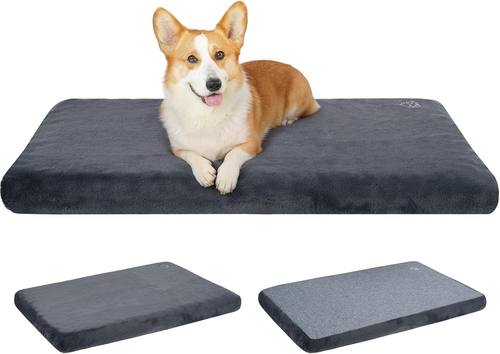
Dog Crate Pad Washable Dog Bed for Crate Medium Cozy Mat 36-Inch Gray
36-inch footprint matches a standard lab crate, washable, gray
Thin mat build with no chew claim, so it is a supervised item
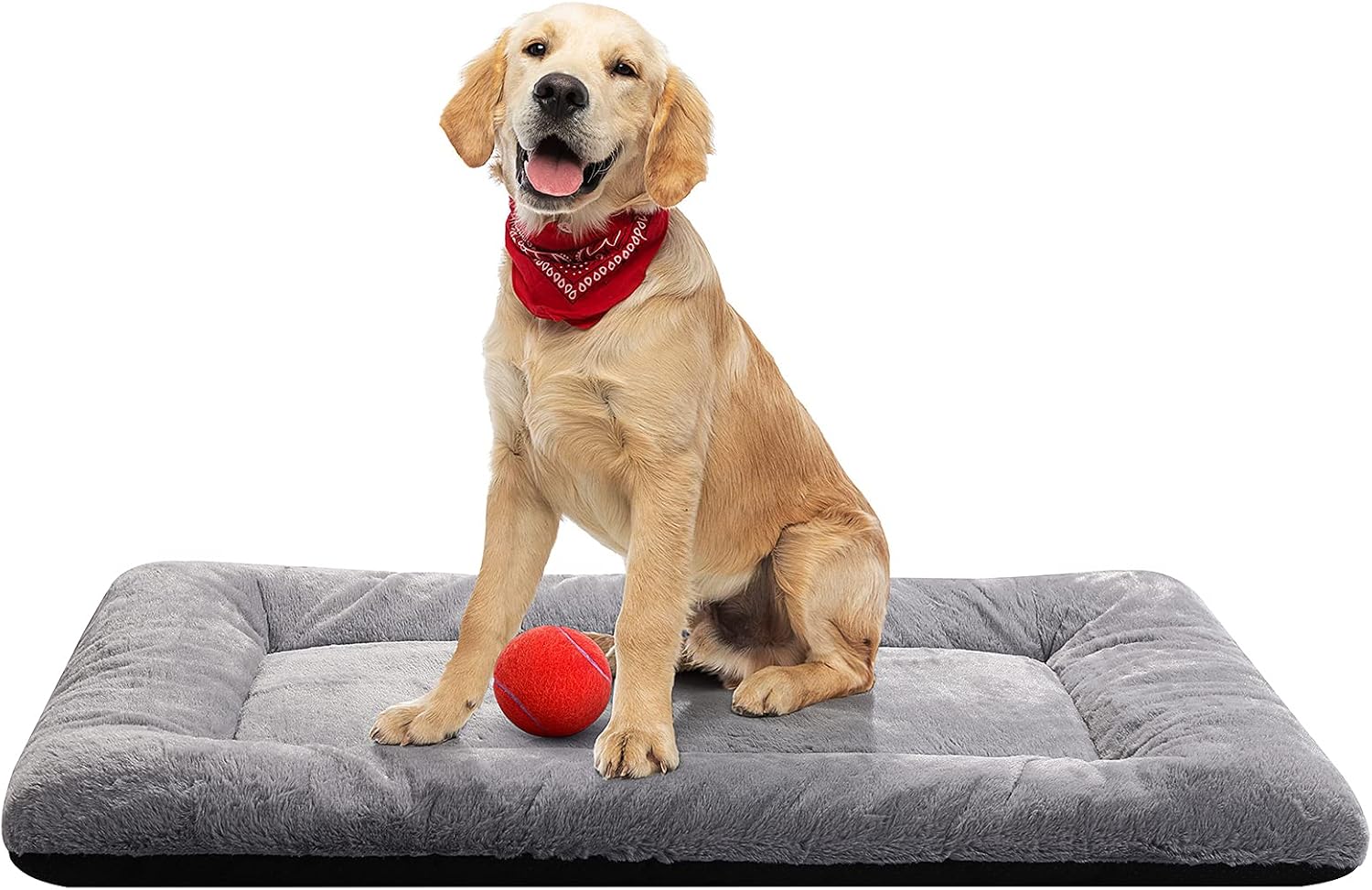
Outdoor Dog Bed Extra Large Sized Dog, Waterproof, 44x32x3.5 Inch
The only item here sized for a lab to sprawl on a floor, deck, or truck bed
Waterproof covers are the first thing a determined chewer peels
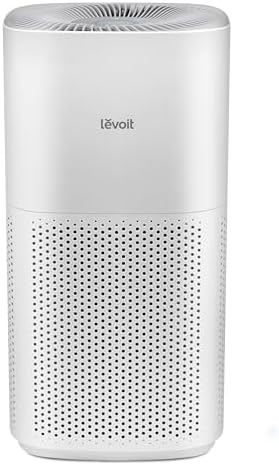
Levoit Smart Air Purifiers for Home Large Room up to 2933 Ft², Core 600S-P
Handles the airborne half of dog smell in the room where the crate lives
It is not a bed, and it will never fix a soaked crate tray
Prices and availability were captured from Amazon Creators API and may change.
What I am actually comparing, and what I am not
Four products landed in this comparison and only three of them are beds. Two are flat crate pads, one is an extra-large waterproof floor bed, and one is a large-room air purifier. I am not going to pretend that is a normal lineup. What I will do is treat each one honestly. Crate pads solve a crate problem. Floor beds solve a floor problem. The purifier solves the smell problem that shows up in every house with two labs and a wet Ohio spring.
Here is what most people miss about labrador crate pads as a category. A big share of what gets sold under that phrase is not sized for a lab at all. A lab in a crate needs a pad that covers the whole crate floor so there is no exposed tray for a paw to slip through, and that pad has to survive being folded, dragged around, and washed. That is a narrower spec than most listings admit, and it is the reason I start with measurements instead of marketing.
The two crate pads: same job, different footprints
The 36-inch washable pad is the one that lines up with a lab. A 36-inch crate is the standard size for a lab in the 55 to 75 pound range, and the pad's stated footprint matches that crate floor. Gray is not a style choice, it is a maintenance choice. Labs shed, labs drool, and labs track in whatever is on the ground in November. A gray pad hides all of it between washes.
The EMPSIGN mat is listed as size M. That is the detail that decides whether it works for you. Medium in crate pad language usually means a 30-inch crate or smaller, which is a puppy crate or a small breed crate, not the crate Duke sleeps in. Before you buy it, measure your crate tray and compare it to the listed dimensions. If the pad leaves six inches of bare tray on each side, your lab will find that bare spot, and you will be washing the tray instead of the pad.
The other thing to weigh is the word ultra soft. Soft plush surfaces are exactly what a lab puppy in the shark phase wants to destroy. Soft is comfortable for a senior lab, and it is an invitation for a two-year-old. That is not a knock on the product, it is a behavior fact. Make the bed boring and the chew toy interesting, and if your lab is under three, expect the soft pad to be a short-term purchase either way.
The outdoor bed: the only one sized for a starfish
The outdoor bed is listed at 44 by 32 by 3.5 inches, and that is the first item in this lineup that gives a sprawler room to sprawl. Duke measures roughly 36 inches from nose to tail base, and when he stretches out flat he takes up closer to 44. A 44 by 32 surface fits that posture. A 36-inch crate pad does not, because a pad that size belongs inside a crate, not on a living room floor.
The 3.5-inch loft is decent for a floor bed, but thickness is not the spec that matters most. Foam density is. Foam is measured in pounds per cubic foot, and cheap foam runs around 1.5 to 2. I have cut beds open to check, and a 4-inch bed with low-density foam pancakes faster than a 3-inch bed with dense foam. The listing does not state a density, so that is the question I would ask before buying, especially if the bed is for a senior lab with hip issues.
Waterproof matters more than people think. A lab that swims comes home wet, and a wet lab on a fabric bed turns that bed into a smell factory within a month. A waterproof cover is the right call for a deck, a garage, or a truck bed. Just know that waterproof usually means a coated or lined cover, and coated covers are the first thing a determined chewer peels back. If your lab is under three, this bed belongs in a supervised room, not in the kennel.
The air purifier: not a bed, but not a mistake
I will say it plainly. The Levoit Core 600S-P is not a dog bed and it never will be. It is here because the two things that make a dog house smell like a dog house are dander in the air and a damp bed on the floor. You can wash the pad every week and still lose the smell battle in a closed bedroom.
The listed coverage of up to 2,933 square feet is an ideal-conditions number. Real coverage in a home with furniture, doors, and a shedding lab is smaller, so size it to the room where the crate sits, not to the whole house. The smart features, app control and scheduling, are genuinely useful if you want it running harder while you are at work.
What it will not do: fix a chewed foam pad, neutralize urine soaked into a crate tray, or do anything about a lab who rolled in something dead. Air purifiers handle air. That is the whole job, and for a bedroom that smells like wet dog, it is a job worth paying for.
Chew timeline: what the labels will not tell you
I track what I call a chew timeline, which is how long a material survives a determined lab, measured in weeks rather than years. Plush fabric, the kind described as ultra soft or cozy, is at the bottom of that list. Canvas lasts longer. Ballistic nylon and ripstop are at the top.
None of the three beds here makes a chew-proof claim, and that is honesty, not a flaw. A bed with no chew claim is a supervised item. That is fine for an eleven-year-old lab who sleeps eighteen hours a day. It is a problem for a two-year-old who thinks foam stuffing is a food group. If your lab is in the shark phase, buy the cheapest washable pad that fits the crate, rotate it with real chew toys, and accept that you are buying time, not durability. The expensive bed comes after the phase ends.
Sizing math: nose to tail plus twelve inches
For a floor bed, measure your lab from nose to tail base, then add twelve inches. That extra foot covers the sprawl. For a crate pad, measure the inside of the crate tray, not the crate's advertised size, because "large" is a word brands use loosely and tape measures do not.
Penny is 55 pounds and curls up, so she needs less floor space than Duke and more support. Duke is 75 pounds and sprawls, so he needs surface area. Same breed, opposite specs, which is why one "large dog bed" recommendation never fits two labs in the same house.
Washability and zippers: where cheap beds die
Zippers die first. I have thrown out more covers over broken zippers than over torn fabric, and it is almost always the same failure: a plastic zipper that snags on fabric every time it goes around a corner. When you are comparing pads, look at the closure. A one-piece pad with no removable cover has nothing to break. A pad with a covered zipper will outlast one with an exposed zipper.
Then think about drying. A pad that holds water for two days in a humid basement will smell like wet dog no matter how clean it is. Wash cold, air dry when you can, and keep two covers or two pads in rotation so your lab is never waiting on laundry.
Cost per day, the only honest comparison
Price divided by usable days is the only comparison that tells the truth. A budget pad that pancakes in four months costs more per day than a mid-range bed that lasts three years, and that arithmetic is not an opinion. This is the cheap-bed mistake every lab owner makes once. The smart ones make it once.
So run the math with the current listings in front of you. If a pad is going to be washed weekly and flattened by a 75-pound lab, count on a shorter service life than the price suggests, and budget for a second one. Check current Amazon price on each option, then divide by the months you realistically expect, not the months you hope for.
Which one for which lab
Puppy or adolescent lab under three: the 36-inch washable crate pad, because it fits the crate, it washes, and it is the least painful thing to lose. Skip anything described as ultra soft until the chewing stops.
Adult lab, three to eight years old, crated during the workday: the 36-inch washable pad inside the crate, and the extra-large waterproof bed on the floor or in the truck for the hours you are home. Two surfaces, two jobs.
Senior lab with hip issues: the extra-large bed, with a caveat. This lineup is not an orthopedic lineup, and a senior lab with hip dysplasia needs dense foam, not just thick foam. Ask for a density number before you buy. Add the purifier if the bed lives in your bedroom, because a senior lab sleeps a lot and a damp bed in a closed room is the fastest way to a house that smells like a kennel.
What I am testing next
Winter 2026 is chew-proof cover season on my bench. I am tracking which zippers survive Duke, which coated fabrics peel, and how foam holds its loft after a full winter of a wet lab flopping on it. I am also logging how much a large-room purifier actually changes the air in a bedroom with two labs, because coverage claims and real rooms are two different numbers.
Bottom line
Buy the pad that fits the crate, not the pad with the best adjectives. For most labs, that is the 36-inch washable mat. If your lab sleeps on the floor, the extra-large waterproof bed is the one item here with real sprawl room, and if the room still smells like a wet lab after you have washed everything, the air purifier is the tool that handles what laundry cannot.