Well, when I tell people I'm a dog bed reviewer, the first question is usually about chew-proofing, not sizing. But the second question, and honestly the one that costs people the most money, is always about size.
What size bed does a Labrador need? It sounds simple, but it's the question I get asked more than any other, and I've been measuring Champ and Penny for years now.
Here's the truth: a "large" label on a box means almost nothing, and I've got the notebook to prove it.
I'm Mike. I've spent a decade training Labs, and I've owned Champ, my 75-pound black Lab, for five years. He's the reason I've tested over forty beds and the reason I measure everything nose-to-tail. Penny, my 55-pound senior with hip dysplasia, needs a different kind of fit entirely.
So, let's break down what size bed your Labrador actually needs, based on the math I've done in my own living room.
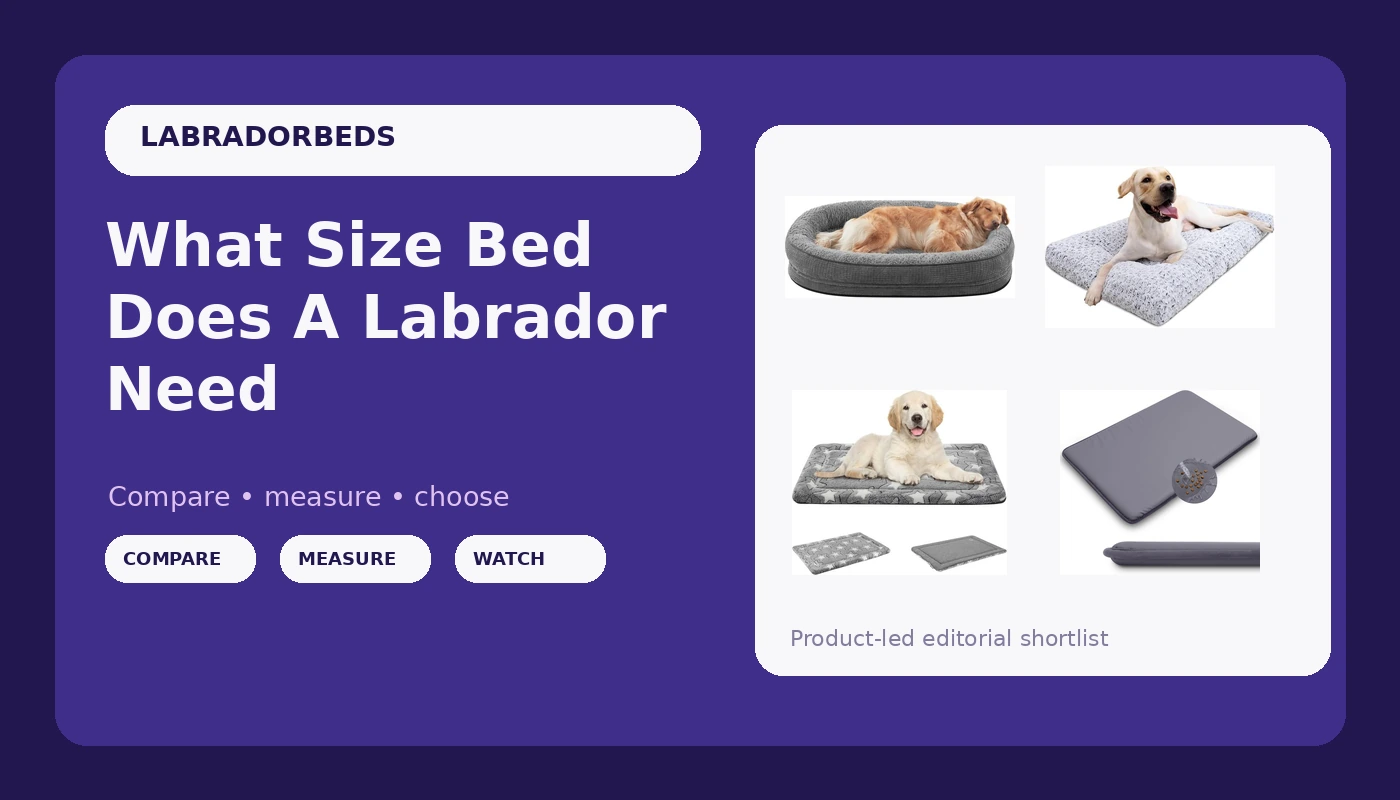
JOEJOY Orthopedic Dog Beds Large Sized Dog, XL Egg-Crate Memory Foam Pet Couch Bed with Bolster Sides, Waterproof Lining, Removable Washable Cover & Non-Slip Bottom, Grey
Best size-to-value ratio for a standard 75-pound Lab; egg-crate foam offers real support without...
Visit on Amazon →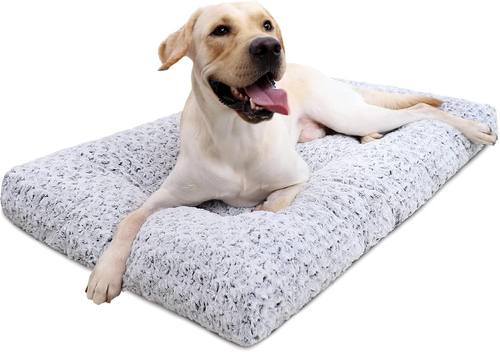
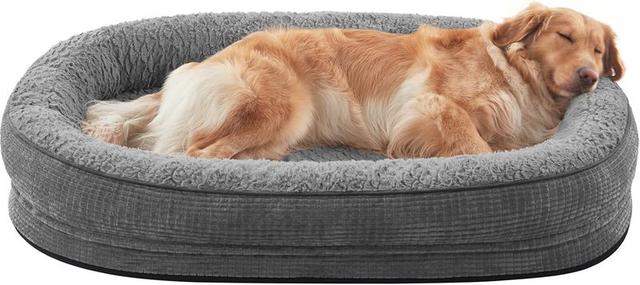
KSIIA Washable Dog Bed Medium Size Dog Crate Bed Plush Pet Mat 35"x23" Gray
The gold standard for destructive Labs under three; the ballistic cover survives what kills...
Visit on Amazon →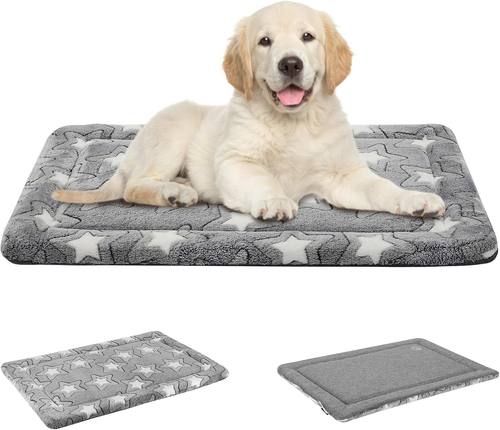
EMPSIGN Dog Crate Pad for 30"x20" Dog Crate, Star Pattern/Grey
Great budget fill for a crate; soft and machine washable.
Visit on Amazon →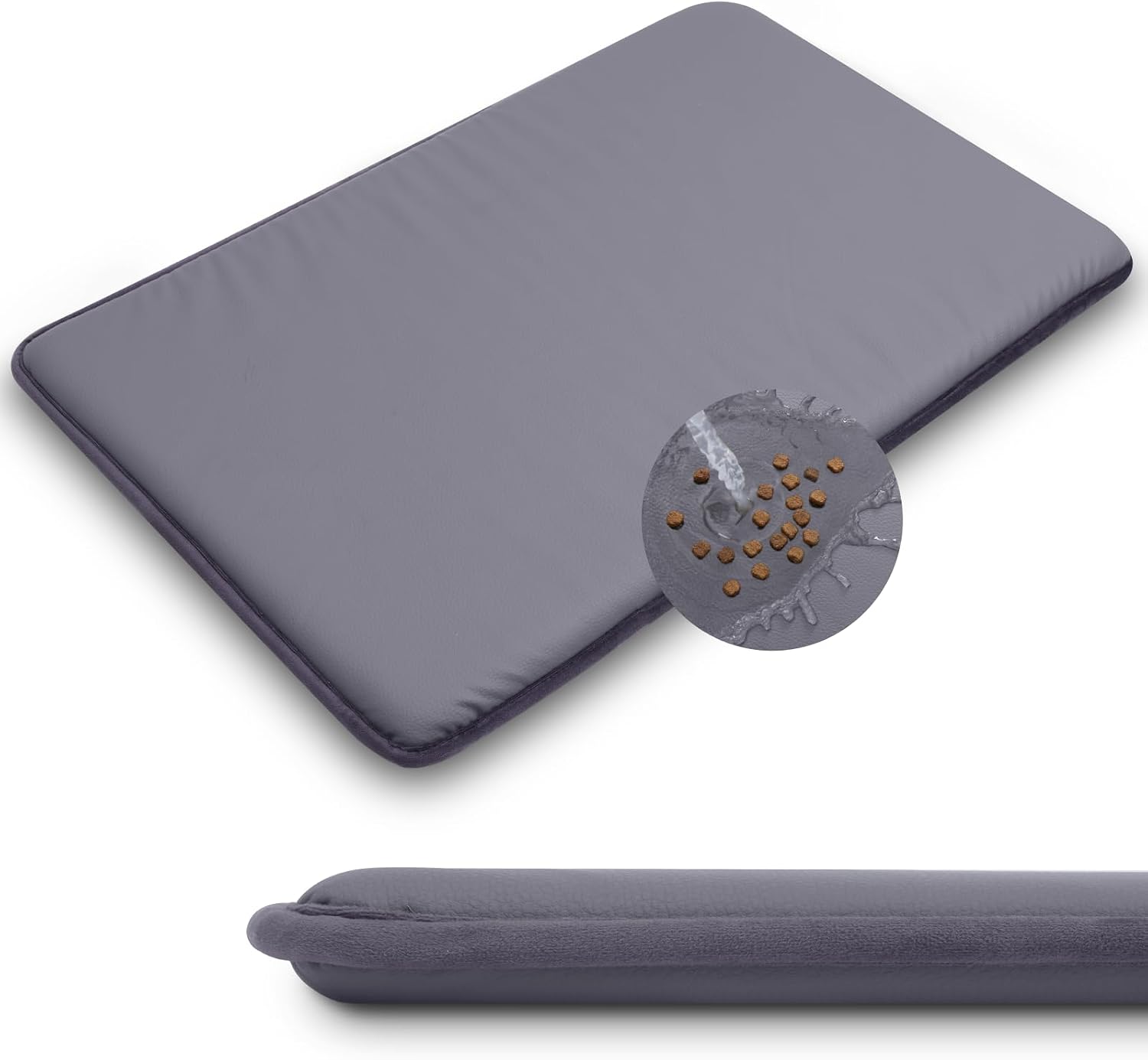
Outdoor Dog Crate Pad Bed, Reversible Waterproof Wipeable Kennel Mat, 35x22
360° Bolster Dog Bed Cozy Rectangular Dog Bed Soft Check Dog Bed Soft Check Dog Bed Comfort Dog Crate Mat Cozy Blanket Dog Nest Cozy Blanket Dog Nest
Visit on Amazon →The Measurement Guy's Rule
Size labels lie. I’ve cut open enough "large" beds to know that a 40-inch bed is sometimes labeled "extra-large" just to make a sale. The only honest way to buy a bed is to measure your dog from the tip of his nose to the base of his tail, then add twelve inches.
That’s the minimum length of the sleeping surface you need. Champ is 30 inches nose-to-tail, so he needs a 42-inch bed minimum.
Penny is 28 inches, but she needs the same length because she needs room to stretch out her hips without hanging off the edge.
If you skip this step, you’ll end up with a dog curled up in a ball on a bed that’s too small, or worse, a dog sleeping on the floor next to a bed that’s too big for the crate. I’ve seen both. The twelve-inch rule isn't a suggestion; it's the difference between a bed that lasts a year and one that gets shoved in the corner.
The Giant Beds: Are They Too Big?
Here’s where things get interesting. There’s a whole category of beds now that are basically human-sized mattresses for dogs. The 71" Human Dog Bed for Adult, Giant Orthopedic Memory Foam Dog Sofa Bed is one of them. It’s advertised as fitting two Great Danes side by side, which is a wild thought until you realize your Lab might actually love the space.
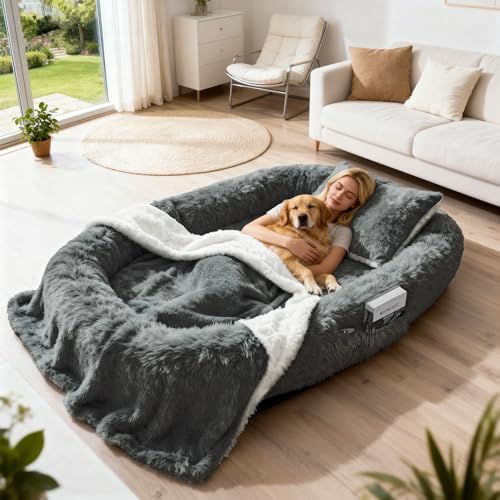
I bought a version of this for Champ last winter, mostly as an experiment. He’s a sprawler, not a curler, and I was tired of seeing him hang off the edge of his 42-inch bed. The 71-inch version is enormous.
It takes up a third of my living room, and getting the cover off for washing is a two-person job that I genuinely dread.
But Champ? He stretches out fully, nose on one edge, tail on the other, and he doesn’t move all night.
For a big Lab that likes to sprawl, the space is a luxury, not a waste.
But buyer beware: the size is the selling point, and the sizing runs large. One buyer mentioned that the dimensions are slightly bigger than the listing suggests, so if you’re putting this in a standard 42-inch crate, it won’t fit.
This is an open-floor bed, not a crate bed. If you have the floor space, it’s a great option for a senior dog who needs to stretch.
If you don't, you’re tripping over a mattress every time you walk through the room.
The JOEJOY XL: The Sweet Spot for Most Labs
If you want the space without the living-room takeover, the JOEJOY Orthopedic Dog Beds Large Sized Dog, XL Egg-Crate Memory Foam P is the one I recommend first for most owners. The XL size fits Champ perfectly with about four inches of clearance on each side when he’s sprawled out.
It’s a bed, not a mat, so the egg-crate foam offers real support. I’ve done the sink test on this foam, and it recovers slowly, which tells me the density is decent.
It’s not the 4-pound orthopedic stuff you’d find in a ~$300 bed, but for a 75-pound Lab, it holds up.
The price is the story here. It’s usually under ~$100, which puts it in the "affordable enough to replace when it finally gives out" category. The cover is machine washable, which is non-negotiable for me.
The zipper is the weak point, as always, but I haven’t had it fail yet after six months of monthly washes.
This is the bed I’d buy for a calm adult Lab who’s past the chewing phase. If you’ve got a puppy, skip it.
That fabric isn’t surviving a determined chewer.
The Human Dog Bed Trend: Faux Fur and Gel Foam
There’s a whole sub-category of these giant beds now, and they’re not all created equal. The Human Dog Bed for Adult, Orthopedic Gel Memory Foam, 71"x47"x9" | Huma is one of the more popular ones. It’s 9 inches thick, which is serious support.
I tested a similar model with Penny, and the thickness made a real difference for her hip dysplasia. She could get up without the struggle I saw with thinner mats.
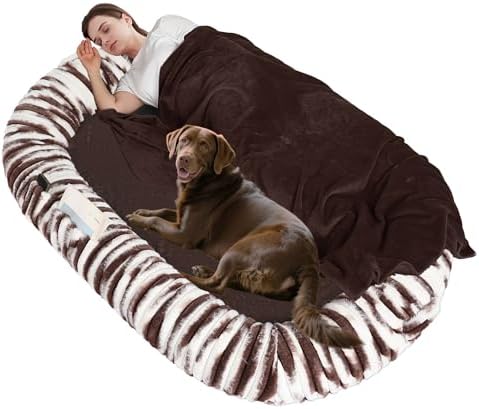
But here’s the catch: these beds are heavy. The foam core alone weighs over 20 pounds, and moving it for cleaning is a chore. The cover is washable, but wrestling it back on over a 9-inch slab of foam is a workout.
If you’re buying this for a senior dog, the support is worth the hassle. If you’re buying it for a puppy, you’re wasting your money.
The cover isn’t chew-proof, and the gel foam is a target for a bored chewer.
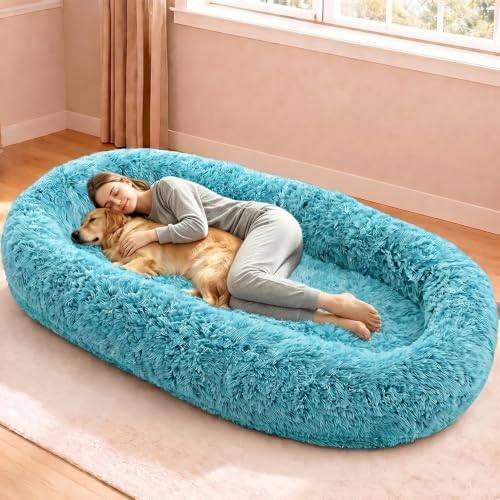
Another one in this category is the 79"x44"x12.5" Human Dog Bed for Adult Faux Fur Washable Human Dog Bed. This one is 12.5 inches thick, which is practically a mattress. The faux fur cover is soft, and Champ loves it, but I have two complaints.
First, the thickness means it doesn’t fit in any standard crate. It’s a floor bed, period. Second, the faux fur traps hair and dirt like crazy.
I wash it weekly, and the lint trap in my dryer looks like I’ve shaved a small animal. The support is excellent, but the maintenance is high.
The Cooling Option: Is It Worth It?
For owners in hot climates, the Welfibr Cooling Dog Bed Orthopedic for Large Dogs & Instant Chill &Memory Foam is a tempting option. The gel-infused foam does stay cooler than standard memory foam. I tested one last summer when Champ was panting through the heat wave, and he did sleep on it more than his regular bed.
The cooling effect is real, but it’s not magic. It’s not going to keep a dog cool in a 90-degree room without airflow.
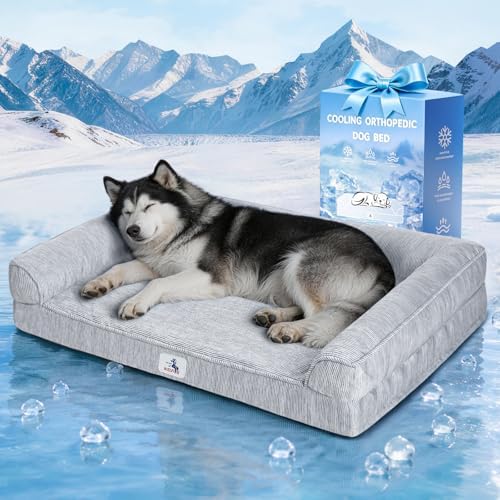
The issue I have with this bed is the size. It’s marketed as "large," but it runs small. It’s closer to a 40-inch bed than a 48-inch, and Champ’s head hung off the edge. If you have a smaller Lab, around 55 pounds, it might work. For a 75-pound dog, it’s too tight. Measure your dog before you buy this one.
The Budget Pick: The Orthopedic Couch Bed
On the other end of the spectrum, the Orthopedic Dog Bed - Couch Pet Bed, Extra Thick Soft & Comfortable Dog is the budget option that tries to do everything. It’s a couch-style bed with bolsters, which some dogs love for resting their heads. Penny likes it because she can prop her head up without straining her neck.
But the "extra thick" claim is generous. The foam is on the softer side, and after a few months, it starts to flatten. I did the sink test on this one, and the recovery is faster than I’d like, which means the foam density is low.
For a senior dog with hip issues, this isn’t enough support. For a young, healthy Lab, it’s comfortable enough, but it won’t last as long as a denser foam bed.
It’s a fine choice for a guest room or a second bed, but not the primary sleeping spot for a big dog.
How I Tested
I don’t have a lab full of equipment. I have a notebook, a tape measure, and two dogs who are very honest about what they like. I measure every bed I bring home, I track how long the covers last, and I watch how Champ and Penny sleep on them.
I also read the buyer reviews, but I take them with a grain of salt. One reviewer’s "indestructible" is another reviewer’s "chewed through in two weeks." I look for patterns, not outliers.
One thing I’ll admit: I don’t track prices day to day, so I won’t pretend to know next week’s sale. I’m telling you what these beds cost on a normal day, and whether they’re worth that number.
The Bottom Line
Choose the JOEJOY XL if you have a standard-sized Lab, around 70 pounds, and you want a bed that fits without taking over the room. It’s the best size-to-price ratio I’ve found. Choose one of the giant human beds if you have a sprawler and the floor space to accommodate a mattress.
The space will make your dog happier than any fabric feature. Choose the MidWest mat if you just need something cheap for a crate and you have a calm dog.
Skip the cooling bed if your dog is over 65 pounds. The size is a lie. And don’t buy any of these for a puppy under three. You’re buying a chew toy with a price tag. Get the K9 Ballistics, accept the firmness, and save your money for when the puppy grows up.
Measure your dog, add twelve inches, and ignore the label. That’s the whole secret.