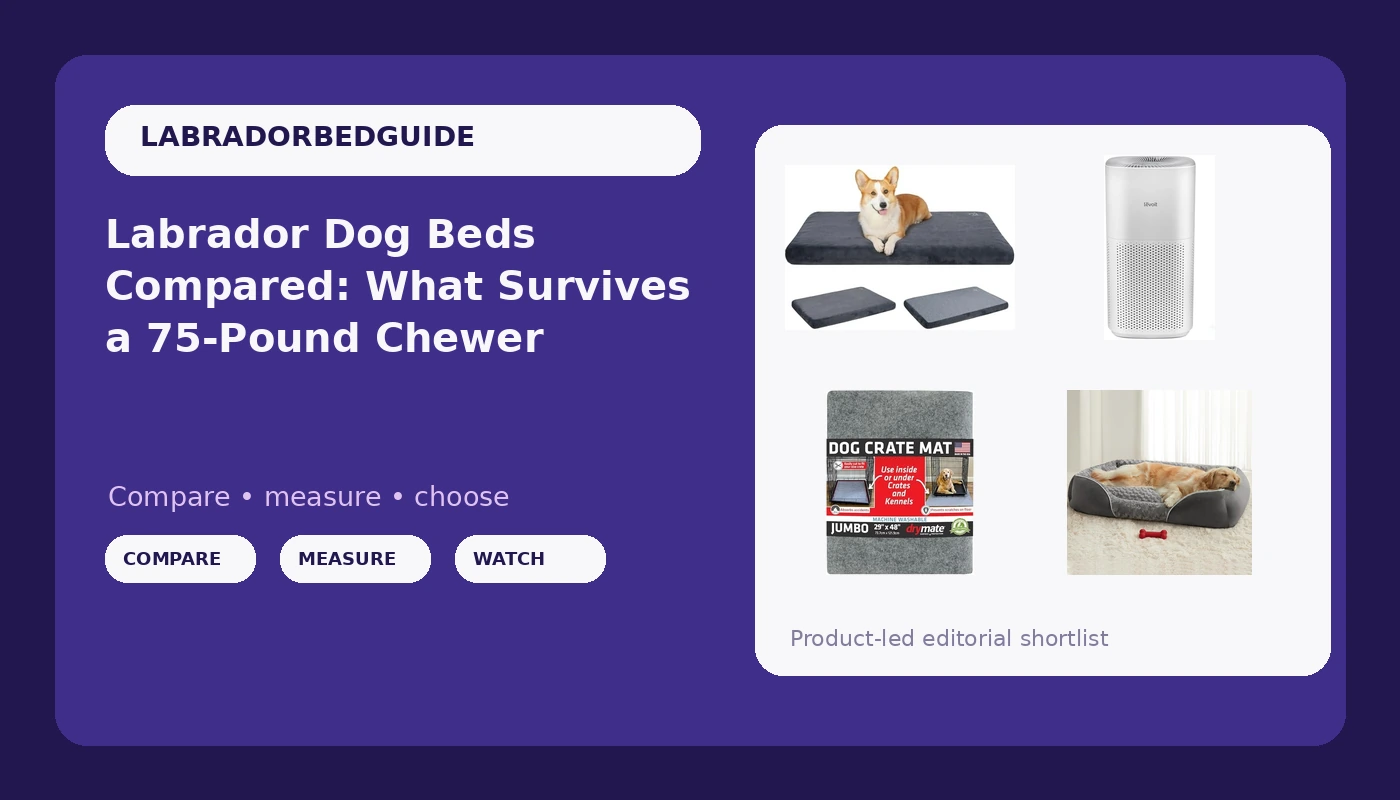
I spent ten years as a trainer, most of it with hunting labs and obedience dogs, and I have two labs of my own: Duke, a 75-pound black lab who chews first and asks questions never, and Penny, an 11-year-old rescue with hip dysplasia. When people ask me about labrador dog beds, they want a brand name. What they actually need is a set of rules, because the wrong bed for a lab is not a bed. It is a chew toy with a price tag.
The short answer: for a young lab who sleeps flat and does not eat furniture, the RRPETHOME XL orthopedic bed is the value pick on this list. For the crate itself, the EMPSIGN crate pad is the pad, the Drymate liner goes underneath it if you have a puppy or a senior with accidents, and the Levoit Core 600S-P handles the dander and odor that collect in the room where the bed lives. Not one of these is chew-proof, and I am not going to pretend otherwise.
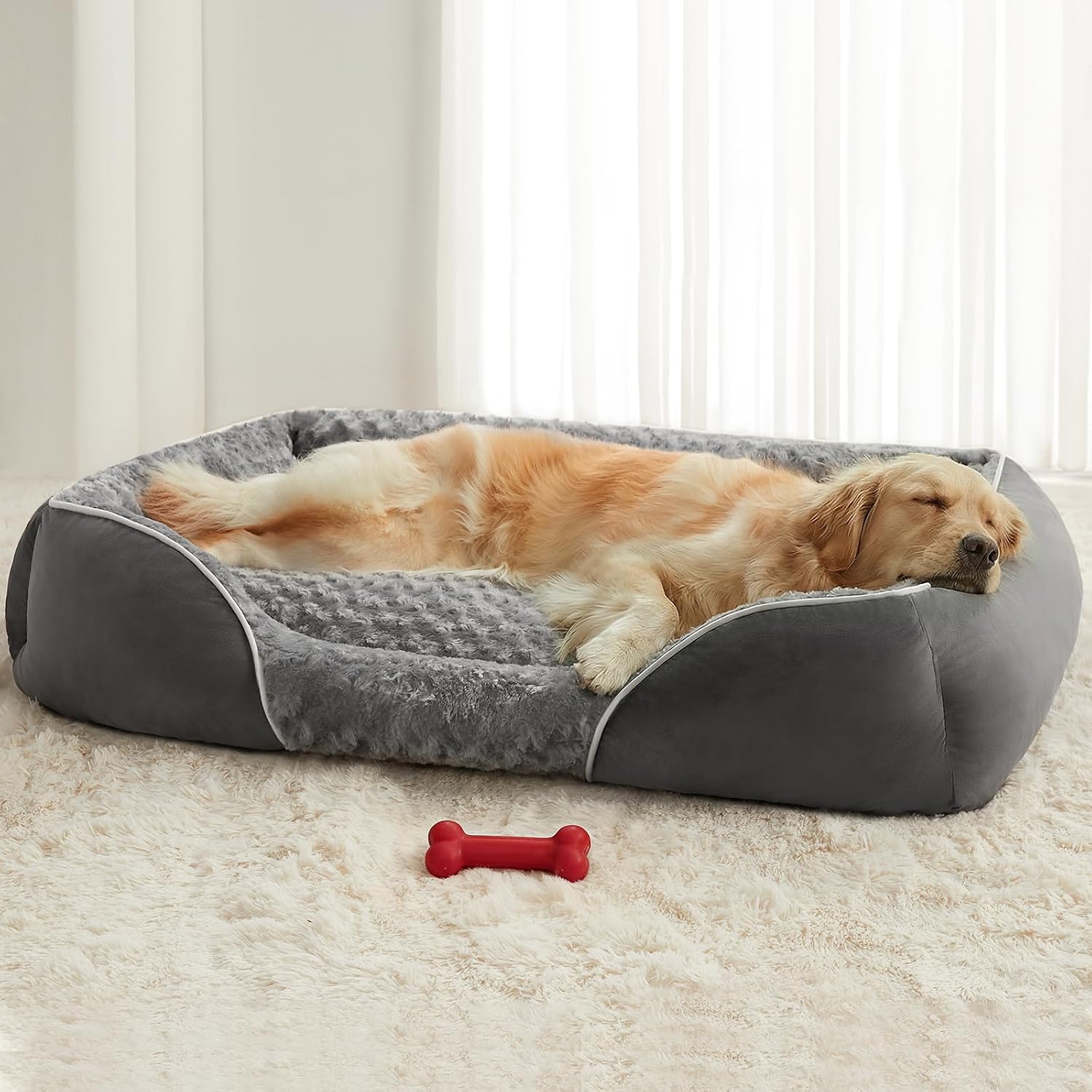
RRPETHOME XL Dog Bed
Right shape for a lab that sprawls like a starfish, washable cover, anti-slip base, the budget entry point here
The listing does not state a foam density, and "orthopedic" without a number is a word, not a spec
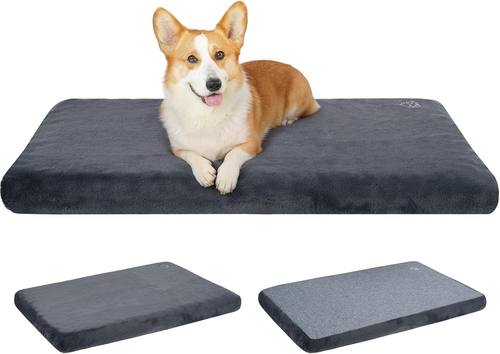
EMPSIGN Dog Bed Mat Crate Pad Mattress, Grey, M
Turns a crate into a good place instead of a punishment, soft enough for a dog that actually settles
The medium size will not fit a 75-pound lab, and ultra soft is a chew target during the shark phase
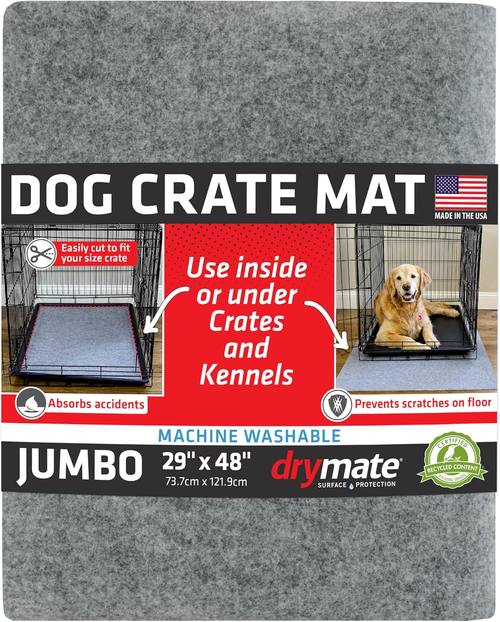
Drymate Dog Crate Mat Liner, 29 x 48, cut to fit
Absorbs urine, waterproof, non-slip, washable, and it protects the crate pan and your floor
Zero cushioning, it is a liner and not a bed, and you have to measure before you cut
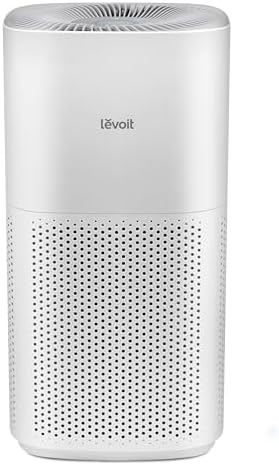
Levoit Smart Air Purifier, Core 600S-P
Handles the dander and dog smell that settle into bedding in a closed bedroom
It is not a bed, it survives nothing a lab can do to it, and it cannot fix a pancake mattress
Prices and availability were captured from Amazon Creators API and may change.
How I judge a bed for a lab
Four things, in this order.
Foam density. Memory foam is measured in pounds per cubic foot. Cheap stuff is 1.5 to 2, which is packing material with a cover stitched on it. I want 3 to 4 for a lab. If a listing does not state a density, that silence is the answer, and you should read it that way.
Chew timeline. How many weeks does the material survive a determined lab? I log chew timelines in a notebook, in weeks and months, never in years. Plush covers and exposed zippers measure in days. A bed that fails at week three is not a bed, it is tuition.
Honest sizing. "XL" is a marketing word. Measure your lab nose to tail, add 12 inches, and that number is the bed. Anything shorter and your dog hangs off the edge, and a lab that hangs off the edge will rearrange the whole thing with his paws until it is flat on the floor.
Washability. Zippers die first. I have killed 14 of them and watched covers outlive the foam by two years.
One more rule, and it matters for this article: I do not call a bed tested until it has been under Duke and Penny for at least a month. I have not done that with these four, so what follows is a materials and spec read plus ten years of watching labs, not a durability verdict. When I have the months logged, I will update this page.
The XL rectangle: RRPETHOME
The RRPETHOME XL dog bed is the only product in this comparison that is shaped like what a lab actually does at night. Labs do not curl into a tight ball, they sprawl, legs in four directions, taking up more floor than you think a 75-pound animal can occupy. A flat rectangle with a low bolster is the right shape. A donut bed is a joke for a lab.
The listing claims an orthopedic pet sofa build, a washable cover, and an anti-slip bottom. Two of those three I can evaluate from the description alone. A washable cover is non-negotiable with a lab, because labs are oily and they smell like the outside. An anti-slip bottom matters more than people think on hardwood, because a bed that slides when your dog steps on it gets pushed into a corner and abandoned.
The claim I cannot verify from a product page is "orthopedic." Orthopedic has to mean dense support foam, and it only means that if the density is printed somewhere. What you want to check before buying: whether the foam is a solid slab or shredded fill. Shredded fill compresses unevenly and turns into a pancake in a few months under 75 pounds. A solid slab, at the right density, holds its shape.
My honest read: this is the budget entry point in this lineup, and for a young lab with healthy hips who just needs a place to collapse, that trade is reasonable. For Penny, a senior with hip dysplasia, I would want the density number in writing before I put her on it. You can see the current listing here: Visit on Amazon →.
The crate pad: EMPSIGN
Crate training is behavior work, and the pad is part of the work. A crate with a bare plastic pan is a place a dog endures. A crate with a pad that fits flat is a place a dog chooses. That is the entire argument for the EMPSIGN dog bed mat, and it is a good one.
Two things to get right. First, the size. This pad is listed as a medium, and medium is not a lab size. Duke is 36 inches nose to tail, which means he needs a pad that fills the floor of a crate sized for him, not a pad that leaves six inches of cold pan at the head or the foot. Measure your crate floor before you order, not after.
Second, "ultra soft" is a comfort description, not a durability description. Soft covers are pleasant for a dog that has stopped chewing. For a puppy in the shark phase, soft is a target. If your lab is under three years old, treat this pad as a consumable and keep a liner underneath it. You can see the current listing here: Visit on Amazon →.
The liner: Drymate
The Drymate crate mat liner is the least glamorous product here and the one I would buy first if I had a puppy or a senior with accidents. It absorbs urine, it is waterproof, it is non-slip, it is washable, and it is designed to be cut to fit. It goes under the pad, not on top of it.
Here is the reasoning. A crate pan is a hard plastic tray with a lip, and once urine gets under a pad, that tray holds the smell like a sealed container. You can wash the pad every day and still have a crate that smells wrong, which is exactly the thing that makes a dog stop wanting to be in it. A liner that absorbs and blocks catches the accident before it reaches the pan. It is also the difference between mopping a floor and wiping a liner.
Two limitations, plainly. It is thin, so it provides no cushioning at all. Do not buy it as a bed for an older lab with sore joints. And "cut to fit" means the measuring is on you. Measure the crate floor, mark the liner, cut inside your line, because you cannot add material back.
For a senior lab, the use case is different but real: Penny has occasional bad mornings, and a waterproof liner under her pad means a bad morning costs me a load of laundry instead of an afternoon with an enzyme cleaner. You can see the current listing here: Visit on Amazon →.
The air purifier: Levoit Core 600S-P
Let me be straight with you, because this is a bed site and I am not going to sneak a non-bed product past you. The Levoit Core 600S-P is a smart air purifier rated for large rooms, and it is not a bed. It does not cushion a joint, it does not survive a chewer, and it will not stop Duke from eating a zipper.
It belongs in this conversation for one reason. Labs shed, and the dander and odor that come off a lab do not disappear, they settle into whatever the dog sleeps on and into the air of whatever room that is. If your lab sleeps in your bedroom, the bed is only half the setup. The other half is what the room smells and feels like at 2 a.m. A purifier with a real filter is the part of that setup I can point at without making anything up.
The boundary I hold: I am a trainer, not a vet. I will not tell you a purifier treats allergies or breathing problems in your dog or in you. That is a medical question for your vet and your doctor. What I will say is that the room where the bed lives is part of the bed decision, and this is the product on this list that addresses the room. You can see the current listing here: Visit on Amazon →.
Sizing math that actually works
Nose to tail, plus 12 inches. Duke measures 36 inches, so I want a bed with at least 48 inches of usable length. The Drymate liner is listed at 29 by 48 inches, which tells you the kind of footprint we are talking about for a large crate, and it is also a good reminder that "large" on a product page and "large" for a 75-pound lab are two different words.
For a crate pad, the math is the crate floor, not the dog. A pad that bunches at the edges is a pad your dog will push into a corner and ignore. Measure the pan, then buy.
Puppy versus senior: two standards
If your lab is under three years old, you are in the shark phase. Chewing is what puppies do. Your job is to make the bed boring and the chew toy interesting, and to spend accordingly. Cheap pad, liner underneath, expect destruction, and consider it tuition. Buying an expensive bed for a two-year-old lab is buying a chew toy with a price tag.
If your lab is eight or older, or carries a hip dysplasia diagnosis like Penny, the standard flips. Comfort and joint support beat durability, and a dense foam slab with a low entry edge is worth real money. Cost per day is the only honest comparison: price divided by usable days. A cheap bed that pancakes in four months costs more than a good bed that holds for three years. That is arithmetic, not opinion.
The trade-offs, in one place
None of the four products here is chew-proof. If you have a determined chewer, no pad, liner, or rectangle bed on this page is going to survive him, and anyone who tells you otherwise has not met your dog.
The RRPETHOME buys you the right shape and a washable cover at the lowest cost of entry, and the open question is foam density. The EMPSIGN buys you a crate your dog will actually settle in, at the cost of a size that will not fit a big lab and a soft surface that a puppy will test. The Drymate buys you protection for the pan and the floor with no cushioning at all. The Levoit buys you a cleaner room and does nothing for the dog's joints.
That is the honest trade. Pick the one that matches the problem you actually have.
What I would do
If your lab is past three and sleeps on the floor: the RRPETHOME XL rectangle, cover washed monthly, and watch the foam for pancaking.
If your lab is in a crate: the EMPSIGN pad sized to the crate floor, with the Drymate liner underneath if your dog is a puppy or a senior.
If your lab sleeps in your bedroom and your partner has started mentioning the smell: add the Levoit and change the bedding more often.
And if your lab is under three and eats everything: buy the liner, buy the cheap pad, and save the good bed for the dog he grows into.
What I am testing next
I have chew-proof covers on the bench for winter 2026 and a running log of which zippers survive Duke, currently 14 failures and counting. I am also documenting Penny's response to dense orthopedic foam for a senior-dog piece, because hip dysplasia in labs is the thing my vet says she sees more than any other joint problem. When I have a month under both dogs, the numbers go in the notebook and the verdict goes on this site.