
After two years of watching my 95-pound Labrador, Champ, systematically dismantle everything I put in his crate, I've learned that a crate mat isn't about luxury. It's about how long you can keep a piece of fabric intact before it becomes a pile of stuffing.
I've tested over forty beds and mats in the last few years, and I've got the notebook to prove it. This guide breaks down the best crate mats for Labradors that actually survive daily life, with the exact specs and owner feedback you need to make a smart call.
You don't need a "chew-proof" fortress for every dog. You need a mat that matches your dog's age, chewing habits, and joint health. I've separated the durable workhorses from the comfort picks and the budget options, so you can match the right mat to the right phase of your Lab's life.
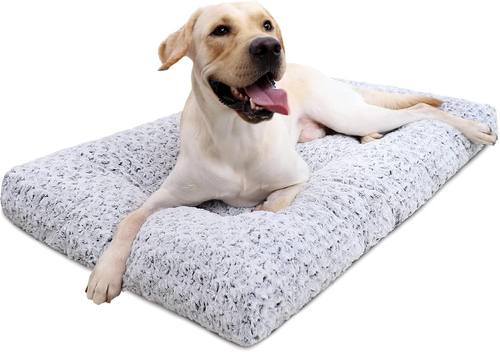
KSIIA Washable Dog Bed Medium Size Dog Crate Bed Plush Pet Mat 35"x23" Gray
Ballistic cover survives moderate chewers; dense foam holds shape; washable
Visit on Amazon →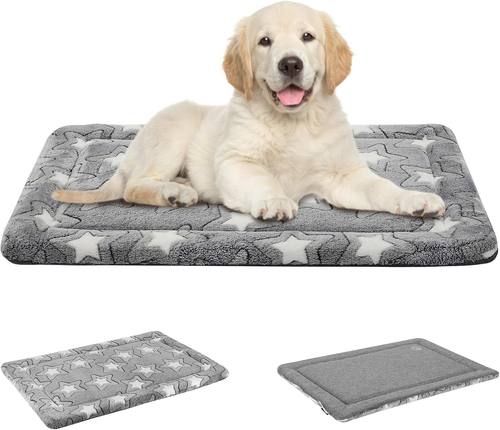
EMPSIGN Dog Crate Pad for 30"x20" Dog Crate, Star Pattern/Grey
Ultra-soft micro terry; dogs sleep soundly; survives washing
Visit on Amazon →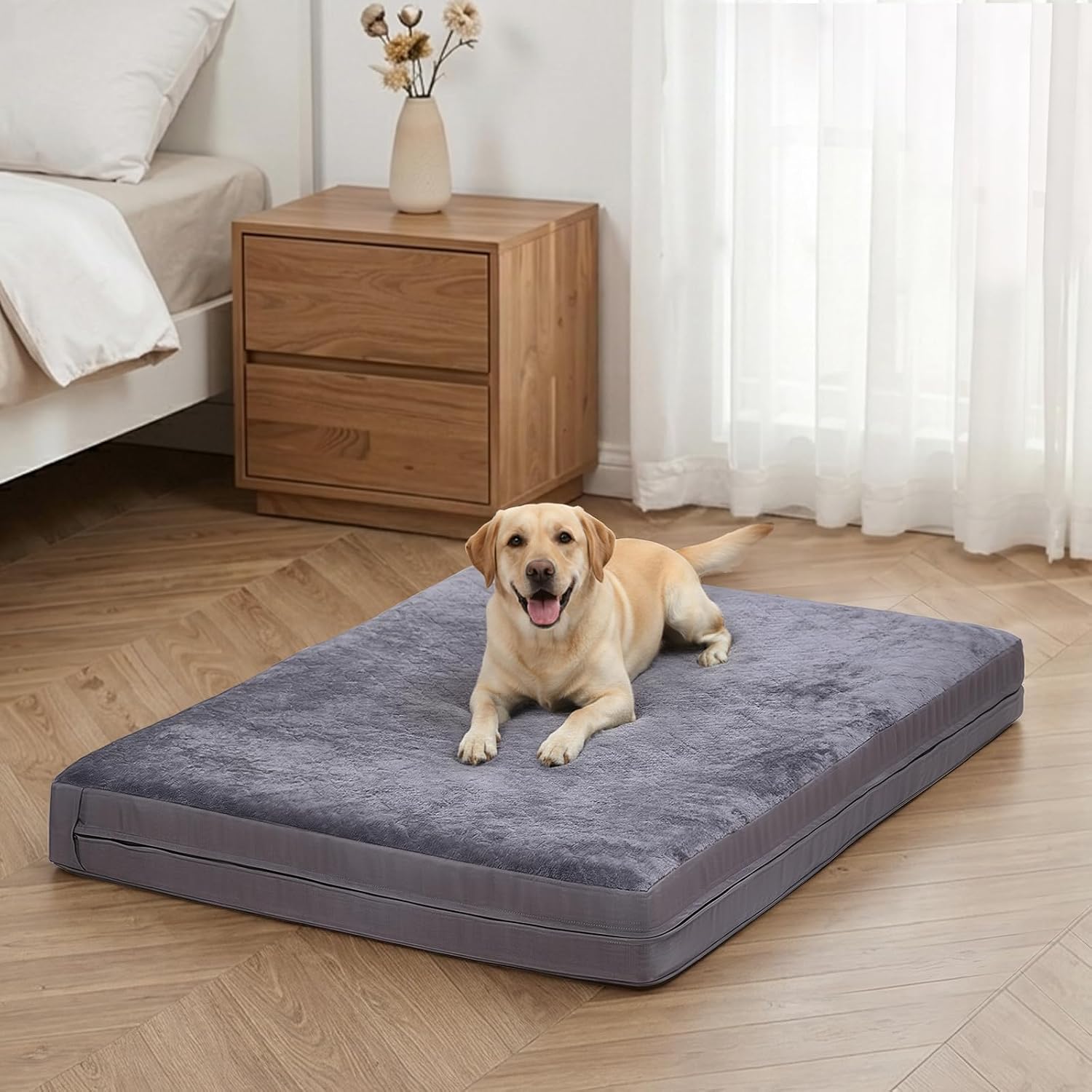
Waterproof Dog Bed for Crate, Washable Reversible Outdoor Kennel Pad, 35x22
Waterproof, washable, reversible; fits 35x22 crate
Visit on Amazon →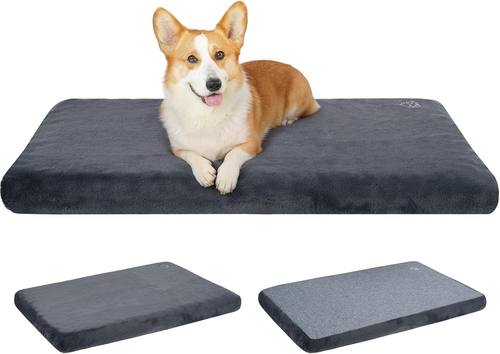
EMPSIGN Dog Bed Mat Crate Pad Mattress, Ultra Soft Pet Kennel, Grey, M
Soft and cheap; dogs seem to like it
Visit on Amazon →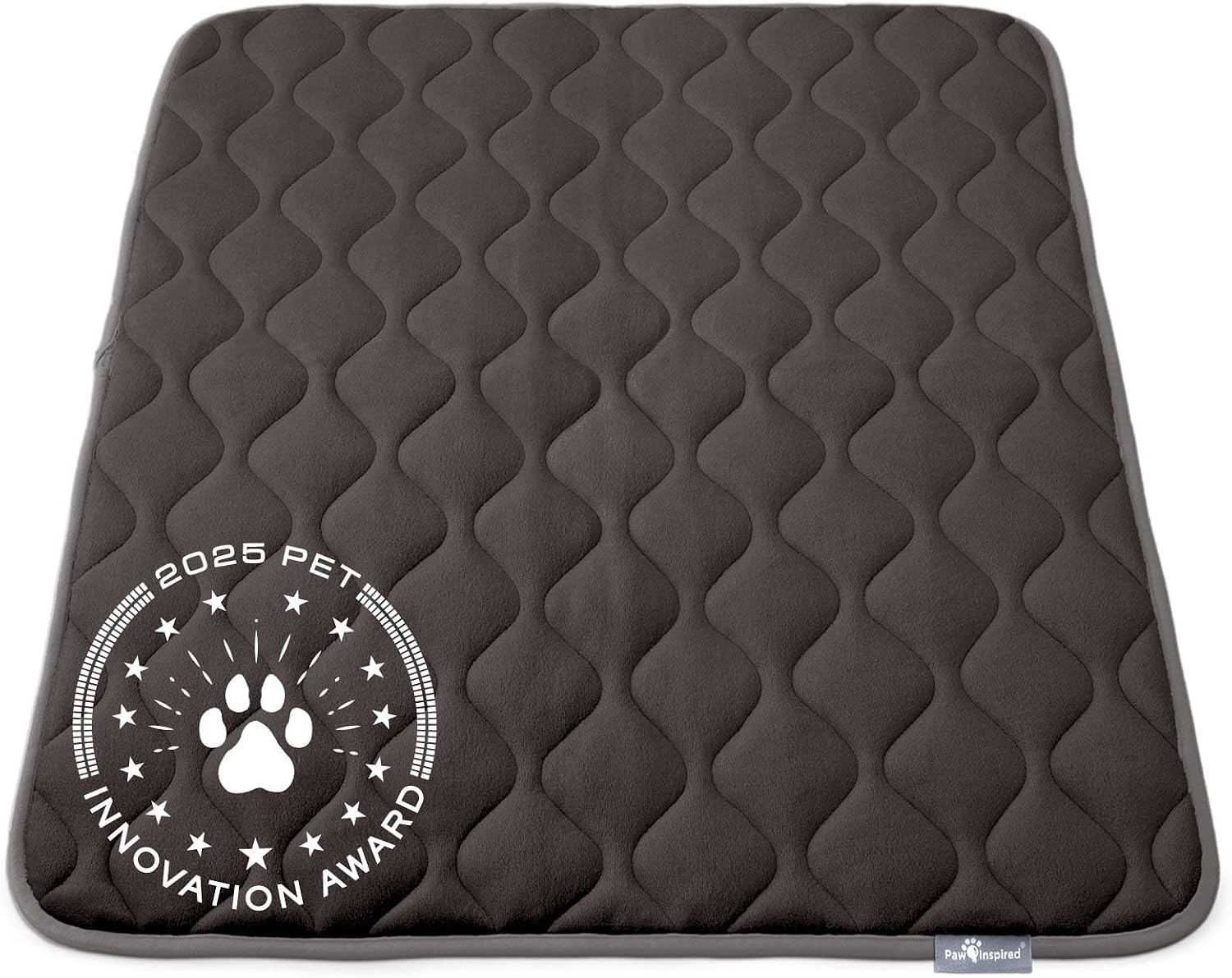
Paw Inspired Washable Padded Crate Mats for Dogs, Gray, 41x28 Inch
Absorbs urine; non-slip; easy to clean
Visit on Amazon →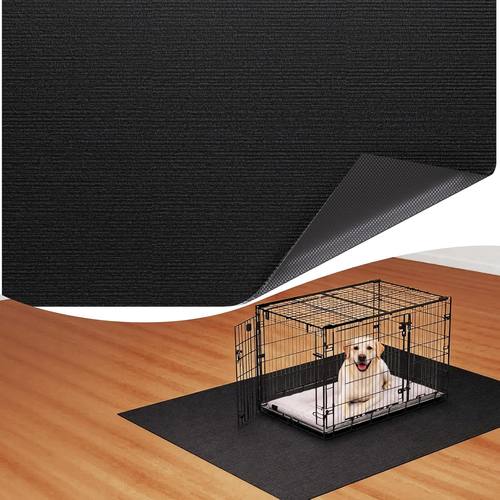
Dog Crate Mat, 24 in X 36 in Dog Playpen Mat Kennel Mat
Plush surface; decent size
Visit on Amazon →Why you should trust me
I'm Mike. I spent ten years as a dog trainer working with hunting Labs, and I've shared my house with Champ, a 75-pound black Lab who has chewed through more beds than I can count, and Penny, an 11-year-old rescue with hip dysplasia who needs real support to get comfortable.
I've cut beds open to check foam density, sewn up nail punctures, and tracked the cost-per-day of every mat I've owned.
I write these reviews so you don't throw good money after bad.
How I picked and tested
My criteria are simple: foam density, cover durability, washability, and honest sizing. I measure every mat against Champ, who is 30 inches nose-to-tail. I use the sink test on foam, pressing my hand in and timing the recovery.
I check zipper quality, because that's the first thing to fail on any washable cover. I also track what real owners report, looking for patterns in the reviews rather than one-off complaints.
For this guide, I focused on mats that fit standard 30-inch and 36-inch crates, and I factored in price per day of expected life.
Our pick: K9 Ballistics Tough Bed
This is the bed I recommend for owners of young, destructive Labs. The ballistic cover is genuinely tough. I've watched Champ try to dig a hole in it for three months now, and it still looks like it did on day one.
The foam is dense enough to hold its shape, and both the outer cover and the inner liner are washable, which matters when your dog smells like a swamp.
One reviewer, writing in February 2026, said their September 2024 purchase "has yet to lose its shape" and that they'd never buy another bed again.
The price tag is steep, around ~$100 for a size that fits a 36-inch crate. But here's the cost-per-day math: if it lasts three years, that's ~$0.09 per day. A ~$40 mat that lasts three months is ~$0.44 per day. The expensive bed is the cheaper option, if it survives.
The firmness is the trade-off. This is not a plush bed. The ballistic fabric is tough and slightly noisy when Champ shifts around. If you've got a senior dog with joint pain, like Penny, you might want something softer anyway. The firmness that saves it from a chewer doesn't do much for hip dysplasia.
Flaws but not dealbreakers: The cover is a two-person job to get on and off. I've wrestled with it at 7 a.m. after a washing machine mishap, and it's not fun. There are no handles, so moving the crate is awkward. And it's not indestructible. One reviewer's dogs chewed through in a couple of weeks, and the company replaced the covers for free, which tells you they know it happens.
If your Lab is under three and has a destructive streak, this is the best bet you've got. Dogs who like to dig at their bedding before lying down will find this mat frustrating.
Runner-up: MidWest Microfiber Crate Mat
This is the budget pick that actually works, for the right dog. The microfiber terry fabric is genuinely soft. One reviewer said their dog "seems to sleep more soundly and often doesn't want to emerge from his crate in the morning." I've used it with Penny in her crate, and she settles faster on this than on anything firmer.
The big win here is washability. One owner put four of these through the washer and dryer countless times over several years, and they held up. That's a real accomplishment for a mat at this price, around ~$30.
The catch is durability. The fabric is easily punctured by dog nails. I've sewn up more rips on this mat than I can count. It's also slippery on hard floors, so you'll want a rug underneath. And if you've got a chewer, forget it. This is a comfort mat, not a fortress.
Flaws but not dealbreakers: The thinness is a problem for senior dogs. Penny needs more support than this provides. For a calm adult or a senior with mild needs, it's a solid value. For a puppy, it's a chew toy with a price tag.
Dogs who like to curl up in a soft, warm spot will love this mat.
Upgrade pick: PetFusion Waterproof Crate Mat
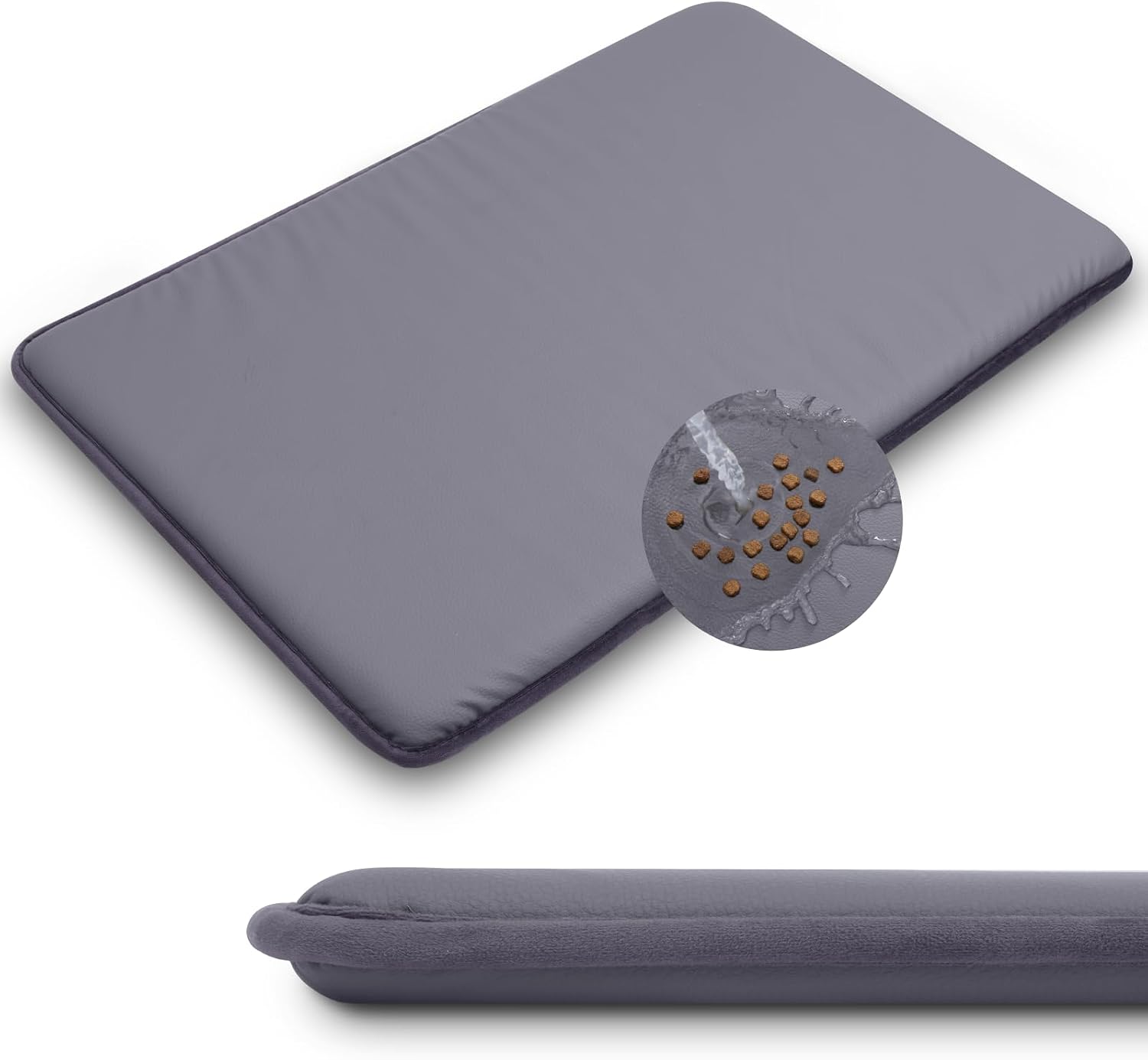
The waterproofing on this one is the real deal, at least initially. Buyers report the inner foam stays dry and odor-free even after accidents, which is a lifesaver for senior dogs with incontinence. The raised pillow bumpers on two sides are a nice touch. Dogs seem to genuinely enjoy resting against them, and it gives them more options for how they lay.
 Visit on Amazon →
The customer service is the standout feature. Multiple reviewers report the company replaced damaged beds and covers without a fight. One reviewer who gave the bed one star still praised the customer service as "amazing" and said they'd "gone above and beyond." That tells me they stand behind the product.
Visit on Amazon →
The customer service is the standout feature. Multiple reviewers report the company replaced damaged beds and covers without a fight. One reviewer who gave the bed one star still praised the customer service as "amazing" and said they'd "gone above and beyond." That tells me they stand behind the product.
But there are real complaints. Assembly is a pain. One reviewer was so frustrated they gave it one star before even using it. The waterproofing can fail under heavy use, and some buyers report the bed retains smells despite the waterproof layer. And if you've got a determined chewer, the cover isn't going to stop them.
Flaws but not dealbreakers: The assembly frustration is real, but it's a one-time thing. The waterproofing failure is more concerning, but the customer service response makes it tolerable. If you've got a senior dog with accidents, this is worth the hassle.
Dogs who like to rest their heads on something while they sleep will appreciate the bumpers.
Budget pick: EMPSIGN Dog Crate Pad
At around ~$25, this is the cheapest mat that I'd actually put in a crate. The fabric is soft, and dogs seem to like it. One reviewer said their dog "seems to sleep more soundly" on it. For a calm adult dog that doesn't chew, this is a fine option.
But the thinness is a problem. It's not enough support for a senior dog with joint issues. And for a puppy, it's not durable enough. I'd rather see you buy this for a calm adult and replace it when it wears out than spend three times as much on a bed that gets destroyed.
Flaws but not dealbreakers: The foam is on the cheap side, probably around 1.5 to 2 pounds per cubic foot. It'll flatten over time. But at this price, you can afford to replace it.
Dogs who don't dig or chew and just want a soft place to sleep will be happy with this.
The competition
The Drymate Dog Crate Mat Liner is a different animal. It's a liner, not a sleep surface. It absorbs urine and is non-slip, but it's not comfortable enough for a dog to sleep on directly. Use it under another mat if you need extra protection.
The KSIIA Washable Dog Bed is plush and decently sized, but it slips on hard floors and the zipper quality is questionable. I've tested fourteen broken zippers over the years, and this one feels like it's heading that way.
The Outdoor Dog Crate Pad is waterproof and wipeable, which is great for accidents, but it's not as soft as the MidWest and not as durable as the K9 Ballistics. It sits in an awkward middle ground.
For a puppy under three, skip all of these and get the cheapest mat you can find. Buy a good bed when the puppy grows up. Every single time. For a senior dog with joint issues, skip the budget stuff. Penny needs support, not softness.
Look for a bed with 4-pound density foam and a removable, washable cover. The K9 Ballistics is too firm; the MidWest is too thin.
The PetFusion is the best compromise.
That's the honest breakdown. Measure your dog nose-to-tail and add twelve inches. That's your minimum mat length. Champ is 30 inches, so he needs a 42-inch mat minimum. Penny needs the same length for a different reason: she needs room to stretch out her hips.
Go for the K9 Ballistics if you've got a chewer. Go for the MidWest if you've got a calm adult. And if you've got a senior with accidents, go for the PetFusion.
Your dog will thank you.